The Ultimate Guide to Fresh Milk: Unlocking Its Full Potential
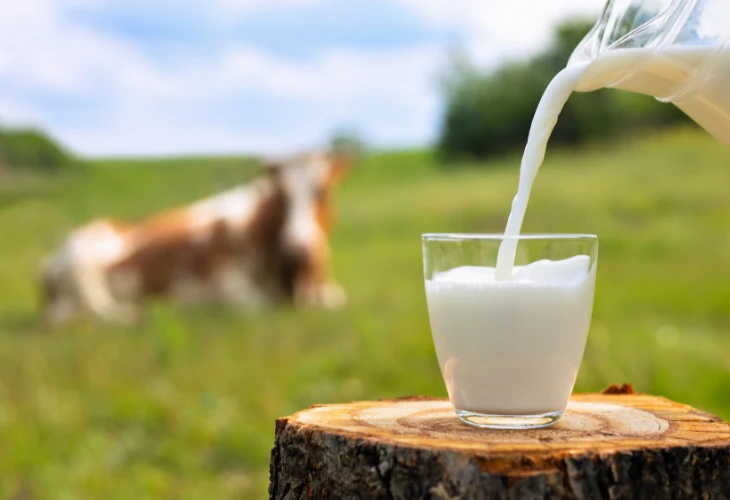
Fresh milk is milk processed close to the time it leaves the farm. It keeps more natural nutrients because producers store and move it quickly. It delivers high-quality protein, bone-supporting calcium, and key vitamins. When you treat fresh milk well, you protect both taste and nutrition.
Nutritional Profile
Fresh whole milk provides a balanced mix of macronutrients and micronutrients. It contains casein and whey proteins that the body digests to build muscle and repair cells—calcium and phosphorus work together to strengthen bones. Vitamin B12 supports your nerves and red blood cell production. Riboflavin helps your cells convert food into energy. Potassium helps maintain fluid balance and heart rhythm.
Health Benefits
Drinking fresh milk benefits you when your body tolerates its proteins and lactose. One 250 ml glass of whole milk delivers around 280 mg of calcium, nearly 28% of an adult’s daily calcium need. Milk proteins strengthen immunity by supporting antibody production and tissue repair. High calcium intake during developmental years improves peak bone mass, lowering the risk of fractures later. Vitamin B12 from milk helps prevent fatigue and anaemia. If you choose A2 milk, some people with A1 sensitivity digest it better.
Culinary Uses
Fresh milk enhances food texture and aroma. It blends into drinks like milkshakes and traditional South Asian Lassi without overpowering flavours. It enriches soups, curries, and custards by adding a soft, creamy finish. In baking, it improves sponge tenderness, dough hydration, and crumb structure. Fermenting it into butter, yoghurt, or cheese gives fresher by-products when starters and tools are clean. Always warm milk slowly for cooking to avoid nutrient loss and scorching flavours.
Storage & Handling
Refrigeration is critical for fresh milk. Keep it consistently between 1°C and 4°C. Store the milk on a stable middle shelf, not the fridge door, because temperature swings accelerate spoilage. Seal the container after each use. Use clean glass or food-grade steel containers to avoid contamination.
Spoiled milk shows clear signs: sour smell, clumps, watery separation, or unusual foam. Consume processed fresh milk within 3 to 7 days for the best taste and nutrient delivery.
Milk for Different Life Stages
Children need milk nutrients for tissue and brain growth. Teens benefit most from milk during their bone-building window, when the body absorbs calcium aggressively. Adults use milk protein to maintain muscle and metabolic activity. Seniors reduce bone mineral decline and calcium drain by including 1 to 2 cups daily if tolerance allows. Portion sizes should align with age, activity, and medical advice.
Beauty & Wellness Applications
Fresh milk can work as a gentle hydrating base for skin and hair care. Apply small, tested amounts first. A 2 tbsp milk and 1 tsp honey mask left for 10 minutes washes off surface dirt and lightly hydrates. For hair, 3 to 4 tbsp milk massaged for 5 minutes on the scalp provides short-contact protein conditioning. Rinse thoroughly to prevent residue buildup or souring.
Sustainability & Quality Factors
Good farms produce clean milk. Healthy herd diets raise milk nutritional density. Efficient processing, cold storage, shorter transport routes, and waste reduction preserve value. Look for milk that shows traceable farm records, sealed labels, balanced fat percentages, and local safety stamps from regional dairy boards when available.
Myths vs Facts
Some myths confuse buyers. Fresh milk is not automatically raw milk; producers often pasteurise it quickly to increase safety while preserving taste. Natural milk fats are not harmful for everyone; they carry essential vitamins the body needs. Milk digestion issues do not affect all drinkers; they vary by lactose and casein tolerance or A1 sensitivity.
Market Trends
Consumers now demand fresher milk, cleaner labels, known farms, and digestible protein options like A2. They want reliable refrigeration chains and shorter processing to consumption time. Taste, safety, and nutrition drive buying, not added labelling hype.
Maximising Milk Potential
To gain more from fresh milk, boil it only once if needed for safety; repeated boiling reduces nutrients. Pair it with balanced meals, store it smartly, pour only what you will drink, and keep containers clean. These small actions cut waste and protect nutrient content.
FAQs
Is processed fresh milk safer than raw milk?
Yes, it delivers safety and nutrients together.
How long can you store fresh milk?
3 to 7 days at 1°C to 4°C.
Why does fresh milk turn sour fast?
Temperature swings and container germs speed spoilage.
Should kids drink fresh milk daily?
Yes, if tolerance is good and portions match age.
Who benefits from A2 milk?
Some people with A1 protein sensitivity or digestive discomfort.