How Digital Entertainment Is Reshaping Consumer Payment
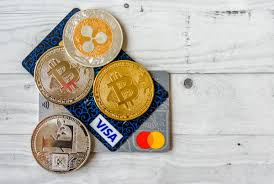
Digital entertainment has changed how people spend money. Streaming apps, online games, live events, and creator platforms now drive daily transactions. Users no longer wait in lines or use cash. They tap, scan, and subscribe in seconds.
This shift has reshaped consumer payment habits around the world. People expect fast checkout, secure wallets, and smooth mobile apps. As entertainment grows online, payment systems evolve with it.
The Rise of Subscription-Based Spending
Streaming services and gaming platforms rely on subscriptions. Monthly plans replace one-time purchases. Consumers now pay for music, movies, cloud gaming, and exclusive content.
This model creates predictable payment cycles. It also pushes banks and fintech firms to offer better digital tools. Many users now compare features from the Best Online Banking Services to manage recurring charges, track expenses, and control auto-pay options.
Subscriptions also increase trust in digital payments. When users see smooth billing every month, they feel more confident using online wallets and cards.
Microtransactions and In-App Purchases
Online games and apps introduced microtransactions. Players buy skins, coins, or premium features with small payments. These small charges add up over time.
This model changed consumer psychology. People now spend small amounts more often instead of making big purchases. Payment systems adapted by offering one-click pay, stored cards, and digital wallets.
Entertainment platforms focus on speed. If checkout feels slow, users leave. This demand pushed payment providers to improve user experience, reduce delays, and add biometric security.
How Microtransactions Influence Payment Trends
| Factor | Impact on Consumer Payment |
| One-click checkout | Faster transactions |
| Stored card details | Repeat purchases |
| Mobile wallets | Secure small payments |
| In-game currency | Higher spending frequency |
These features show how digital entertainment shapes modern financial behavior.
The Growth of Mobile Wallets and Contactless Payments
Smartphones play a central role in digital entertainment. People stream shows, watch live sports, and play games on mobile devices. Because of this, mobile payments grow rapidly.
Users prefer contactless and QR-based systems. They value speed and safety. Digital wallets store cards and reduce manual entry. This convenience makes online entertainment spending easier.
Platforms like Ciaobucks reflect this change in digital culture. They connect entertainment with quick digital transactions. Users expect smooth integration between content and payment tools.
Mobile-first design now drives payment innovation. Companies focus on secure apps, encrypted data, and instant confirmations.
Social Media, Creators, and Direct Payments
Content creators now earn through live streams and fan support. Viewers send tips, buy digital gifts, or subscribe to exclusive channels. This trend created direct-to-creator payment models.
These systems require reliable gateways. Consumers demand transparency and clear billing. They want to see where their money goes.
Digital entertainment platforms now include:
- Instant tipping features
- Virtual gift systems
- Paid live sessions
- Premium community access
Each feature depends on secure digital infrastructure. Without strong payment systems, these models cannot survive.
Cross-Border Payments and Global Audiences
Digital entertainment has no borders. A gamer in Pakistan can stream content from the US. A fan in Europe can support a creator in Asia.
This global access increases cross-border payments. Currency conversion, tax rules, and compliance standards now matter more than ever.
Payment providers respond by offering multi-currency wallets and real-time exchange rates. They also improve fraud detection tools to protect users worldwide.
Key Drivers of Cross-Border Payment Growth
| Driver | Result |
| Global streaming platforms | International subscriptions |
| Online gaming tournaments | Cross-country prize transfers |
| Creator economies | Global fan donations |
| Digital events | Worldwide ticket sales |
These changes show how entertainment pushes financial innovation.
Data Security and Consumer Trust
Trust remains the backbone of digital payment systems. Users share card details and personal data online. They expect high security.
Digital entertainment platforms invest heavily in encryption and fraud monitoring. Two-factor authentication and biometric login add extra layers of safety.
When payment systems feel safe, users spend more confidently. Secure systems also reduce chargebacks and disputes.
Banks and fintech firms now collaborate closely with entertainment companies. Together, they create safer ecosystems that protect both consumers and businesses.
The Future of Payment in Digital Entertainment
The next stage will likely include blockchain tools, digital tokens, and AI-driven fraud detection. Smart contracts may automate subscription renewals. Virtual reality events may include instant wallet payments.
Consumers want simplicity. They prefer fast checkout and clear transaction history. Payment providers must focus on transparency, speed, and security.
Digital entertainment will continue to influence financial habits. As people spend more time online, digital payments will become even more normal in daily life.
Conclusion
Digital entertainment does more than entertain. It reshapes how people pay, save, and manage money. Subscriptions, microtransactions, and mobile wallets changed consumer expectations.
Global access increases cross-border spending. Secure systems build trust and drive repeat purchases. As innovation continues, payment methods will evolve alongside digital content.
Digital entertainment and consumer payment now move together. One drives demand, and the other delivers convenience. This strong connection will shape the future of finance in the digital age.